

GLP-1: Small waist, big supply chain issue
GLP-1 weight loss injections, like Mounjaro, have become increasingly popular over the past few years. Originally intended for type 2 diabetes and blood sugar management, they’re now widely used for weight loss, and demand has become so high that it’s even adding pressure to the already constrained whey protein supply chain.
Weight loss drugs reduce ‘food noise’, encouraging many users to increase their protein intake, eat more fresh produce, and buy fewer sweets, chocolates and baked goods. Many are also turning to protein shakes and other added-protein products, further increasing demand for whey alongside the existing protein obsessions which stem from social media health and wellness culture.
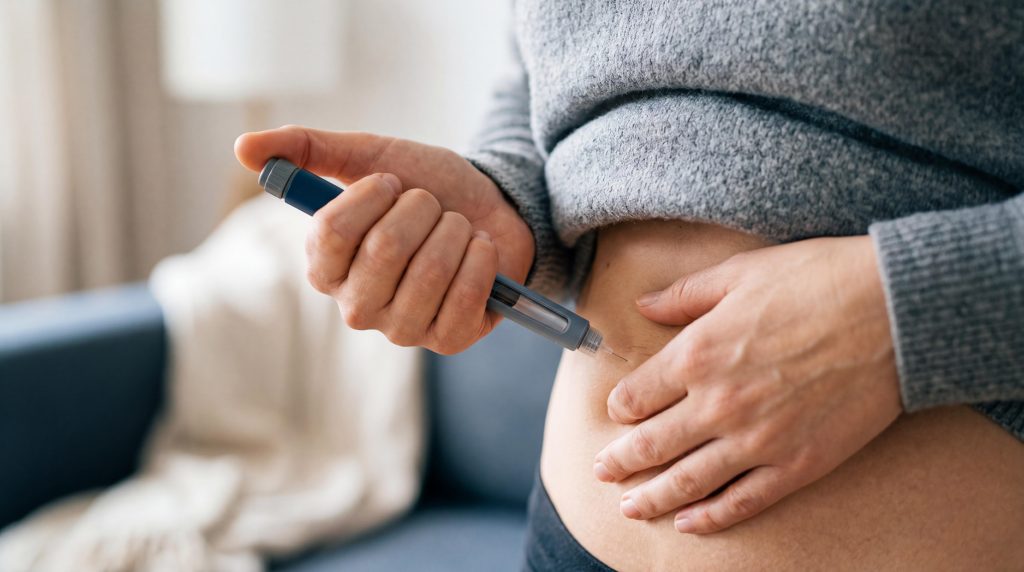
The demand for GLP-1 medicines is also creating bottlenecks in medical supply chains, as manufacturers struggle to keep up with supply and demand. Final assembly and packaging are under pressure, while long lead times for specialist equipment make scaling production difficult.
Combined with Europe’s complex regulatory and labelling requirements, strong supply chain partnerships are becoming increasingly important.
Similar bottlenecks were faced during the Covid period, with high volumes of masks, tests, and equipment required: Kammac completed kitting for NHS testing kits to help relieve the overwhelming demand.
With GLP-1 pills having been introduced in June, demand for GLP-1 medicines is only expected to grow. and the drugs are also being tested for conditions such as alcohol use disorder and sleep apnoea. As new applications emerge, supply chains will need to keep pace.