
What actually is zebra striping?
Zebra striping, a trend that started to appear around 2024, is the practice of alternating between alcoholic drinks and no/low alcohol alternatives (otherwise known as No/Lo) during social events.
The method works by creating a pattern, similar to the stripes of a zebra, which encourages drinking in moderation without sacrificing social rituals like pubs, bars and Christmastime socialising, for example.
The trend has risen to popularity due to the cultural shift in wellness trends and mindful drinking, particularly because it allows consumers to cut back without having to give up alcohol entirely. Not to mention that it cuts hangovers in half and makes socialising more inclusive for mixed drinker/ non-drinker groups.
According to Drink Aware (11 March 2025), Over a quarter of UK drinkers practice zebra striping at pubs and bars!
How this impacts Christmas socialising
Christmas is notoriously the most popular time of year for beverage brands, for alcohol in particular. The peak starts from around November, due to Black Friday deal seeking, and continues to peak throughout December. “Dry” January sees a huge surge in demand for No/Lo, with one pub owner even reporting to the BBC (11 January 2025) that demand had risen by ~1000%, selling approximately 35-40 cases weekly.
With these behaviours in mind, we can expect similar from Q4 and Christmas peak in 2026: A sharp rise in both alcohol and non-alcoholic sales, with No/Lo continuing to surge into Q1.
Customer expectations
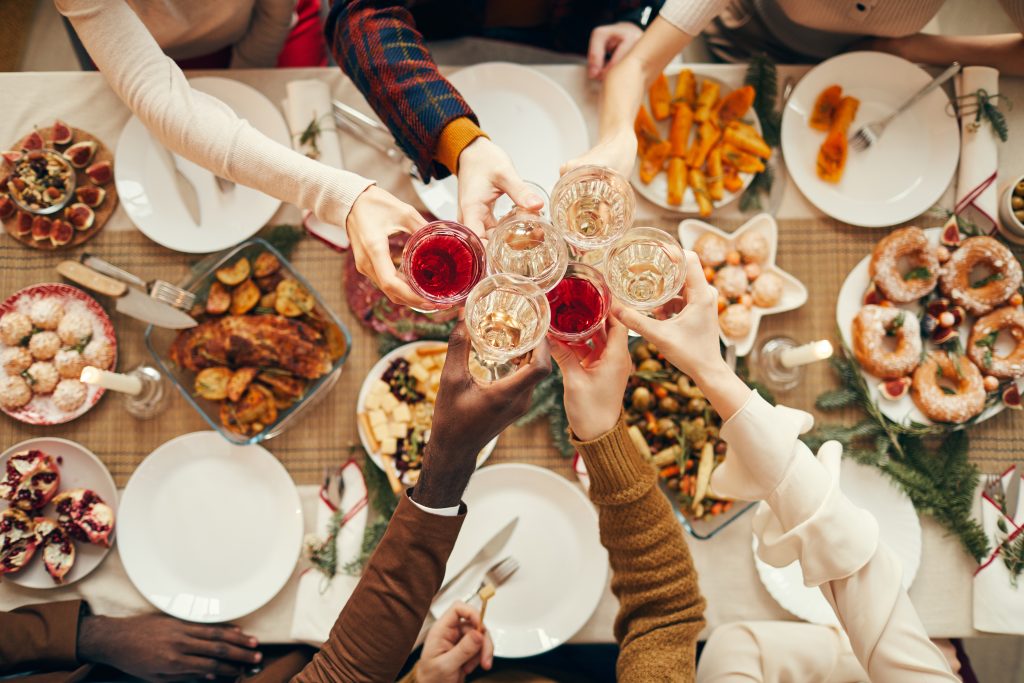
As customers change their behaviours around Christmas peak, they expect the same adaptations from your brand. Anon drinks found that 22% of people at social events would choose to drink less if more non-alcoholic options were made available… So it’s your job to make them available!
The best way to make your brand available to zebra stripers is to make sure alternative options are simply available. Rather than focusing on the No/Lo range as a separate product, consider it an extension of your main range.
Consumers are favouring brands who consider their flavour profiles for No/Lo drinks, considering flavour profiles and keeping them similar to the originals.
A brand who has recently done this successfully is Diageo, with their trio of new releases – Gordon’s, Smirnoff, and Captain morgan’s, all with around half the usual ABV (now 20%). This is a brilliant example of how to do it right, providing their customers with a version of their staple drinks which promotes inclusion for those who want to drink in moderation without sacrifice or exclusion.
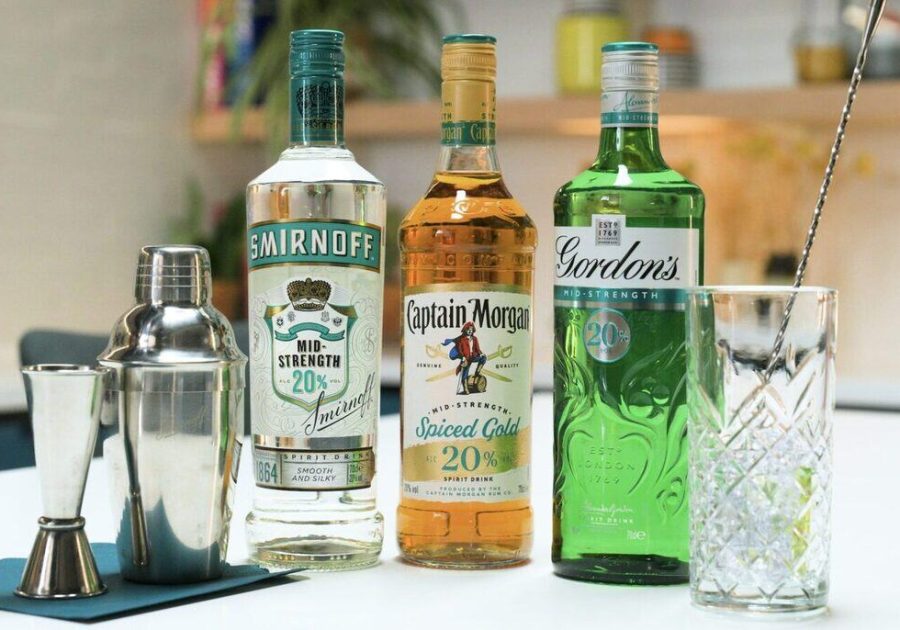
Another factor to consider with this is the money it saves you. When you import with a lower ABV, alcohol duty taxes are lower than the original would be. In fact, due to definition regulations for gin, vodka and rum, all three of the new products will instead be defined as ‘spirit drinks’ on their packaging.
As well as this, when working with a 3PL with bonded warehousing, you can even defer these taxes until the product actually leaves the shelf – allowing you to store for longer periods without it costing extra, such as throughout peak periods like Christmas.
No alcohol ranges are the most affordable option, requiring £0 alcohol duty tax and therefore no need for bonded warehousing.
Being creative about the trend
Last year, I came across an interesting zebra striping campaign from Carlsberg-owned brand, Tuborg. The brand offered their 6-packs of beer across festivals in Denmark, except half of the pack was alcohol-free.
This successfully appealed to the zebra striping trend as they halved the amount of beer, allowing consumers to enjoy their buzz without taking it too far at the festivals – the perfect social setting to test it out.
Whilst this was a highly creative campaign that, in theory, would fly off shelves and be a fan-favourite, it could be impractical in practice.
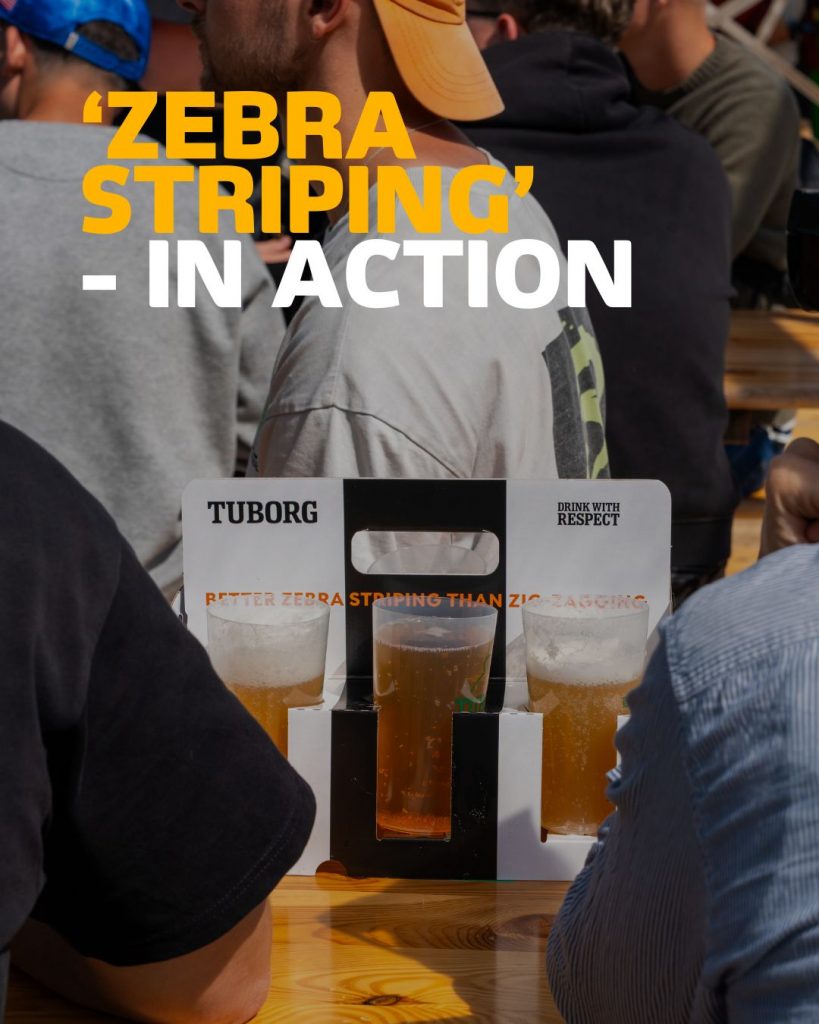
Mixed cases are a brilliant idea for making zebra striping more accessible, but they’re harder to deliver than they look. Duty only applies to the alcoholic half, so each case would need careful kitting and clear records to keep dutiable and non-dutiable stock separate. In addition to this, the case would likely sit with the alcohol on shelves, so the alcohol-free half loses visibility. Although it is possible, it would need careful planning and an experienced 3PL behind it.
Summary
Brands who make No/Lo options available, particularly during peaks, are bound to succeed. As more and more consumers join the zebra-striping trend, it becomes more imperative that you give them choice, otherwise they’ll turn to another brand who will.
While it may be too late to make change in time for Q4, look ahead to your next upcoming peaks: Dry Jan (for No/Lo and functional soft drinks), Spring social gatherings and wedding season.