The food industry has a waste problem, and each year, food businesses face huge financial losses as a result. In the UK, 4.8 million tonnes of food are wasted in the supply chain every year, leading to avoidable costs for food businesses (Balloon One).
Supply chain food wastage is a multi-faceted issue, with inefficiencies at every stage. But let’s turn our attention to warehousing solutions. Why? Because warehousing is one area of the supply chain that has a huge impact on operations if you get it wrong.
Many food businesses that experience consistent financial losses are more likely to have inadequate warehouse storage and fulfilment, leading to compliance failures. Poor storage management causes operational headaches and is the culprit of wasted food and lost revenue. With food costs at their highest levels in decades and tight margins, avoiding costly warehousing mistakes has never been more important.
The good news? With the right approach, many common food warehousing mistakes can be easily fixed.
In this guide, we explore the biggest food warehousing pitfalls and share our practical solutions to help businesses like yours partner with the right 3PL to reduce waste, improve efficiency, and ultimately protect your bottom line.
Common food warehousing mistakes
Mistake 1: Keeping your products in the wrong storage conditions
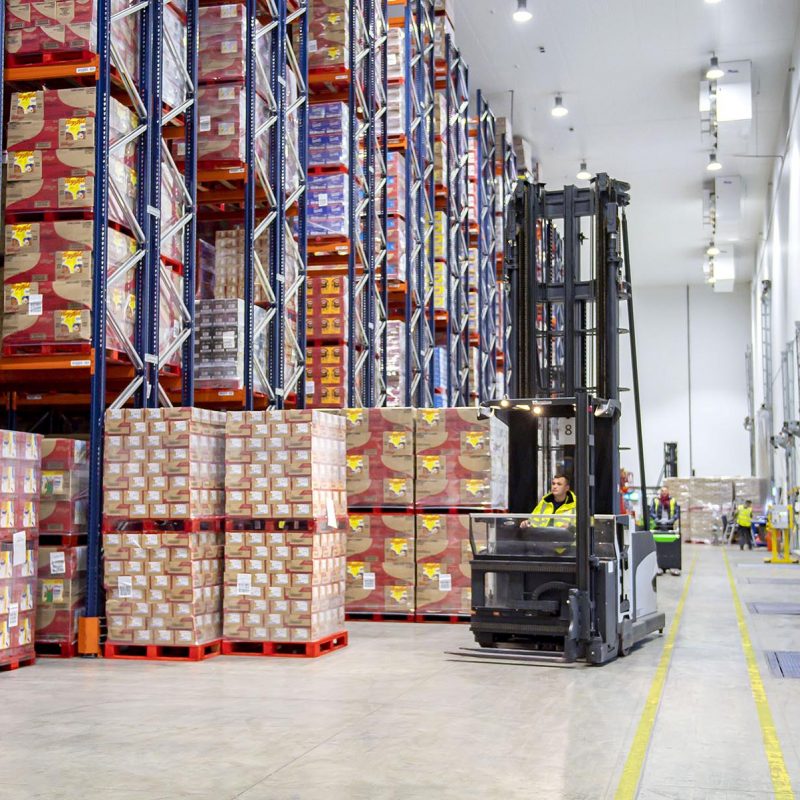
Food storage isn’t as simple as stacking products on shelves in a warehouse. Some food products require chilled environments with precise temperature controls, others need dry, ambient storage. Other goods, such as alcoholic beverages, must be housed in bonded warehouses.
Get it wrong, and you risk more than just a spoiled batch. You’re looking at costly waste, compliance breaches, and stock write-offs.
Despite the huge risk, many food businesses unknowingly store their products incorrectly due to:
- Poor warehouse setup that fails to meet product-specific requirements.
- Lack of temperature monitoring, which means fluctuations go unnoticed.
- Overcrowding, which blocks airflow and causes uneven cooling.
- Infrequent stock checks, turning minor issues into major financial losses.
By the time a warehouse temperature problem is detected, businesses may have already lost thousands in spoiled stock.
The Fix: Have a proactive storage strategy
Partner with a certified 3PL provider who offers the right type of warehousing solutions to store your products correctly. Be mindful that the best warehousing storage provider will deliver more than just basic storage spaces.
A credible food warehousing partner should offer:
- Temperature-controlled warehousing to protect the integrity of your food products.
- Automated climate monitoring so they get real-time alerts when temperature adjustments are needed.
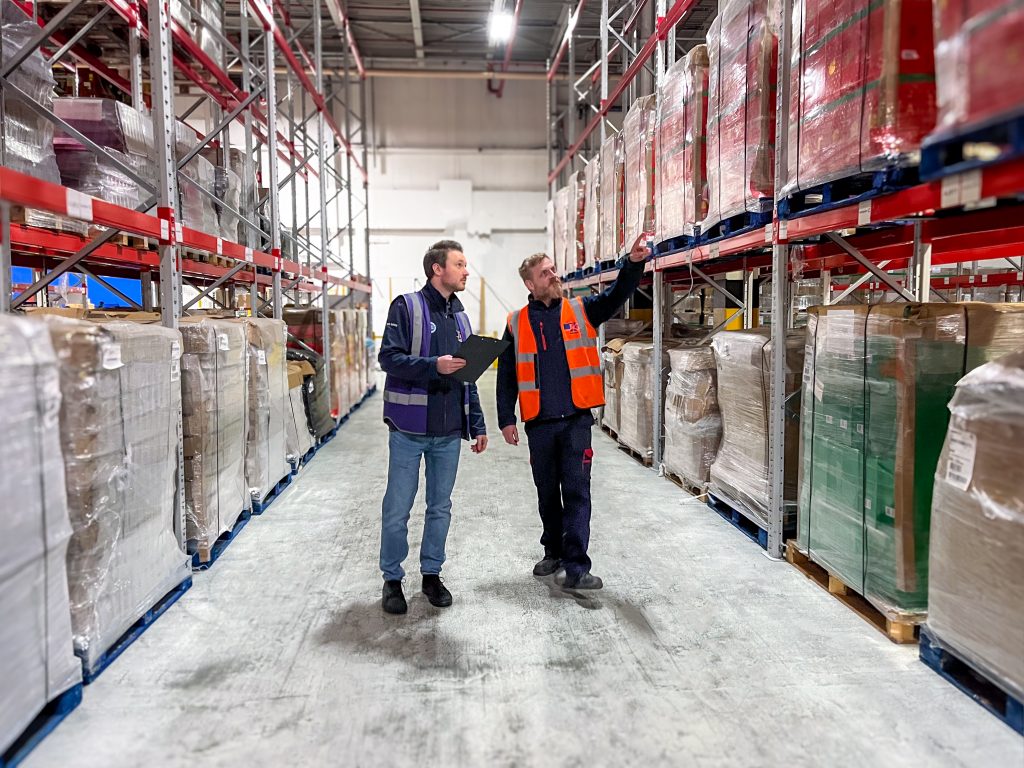
- Regular stock audits and scheduled checks so they spot storage issues before they escalate.
Mistake 2: Poor expiry date & batch tracking
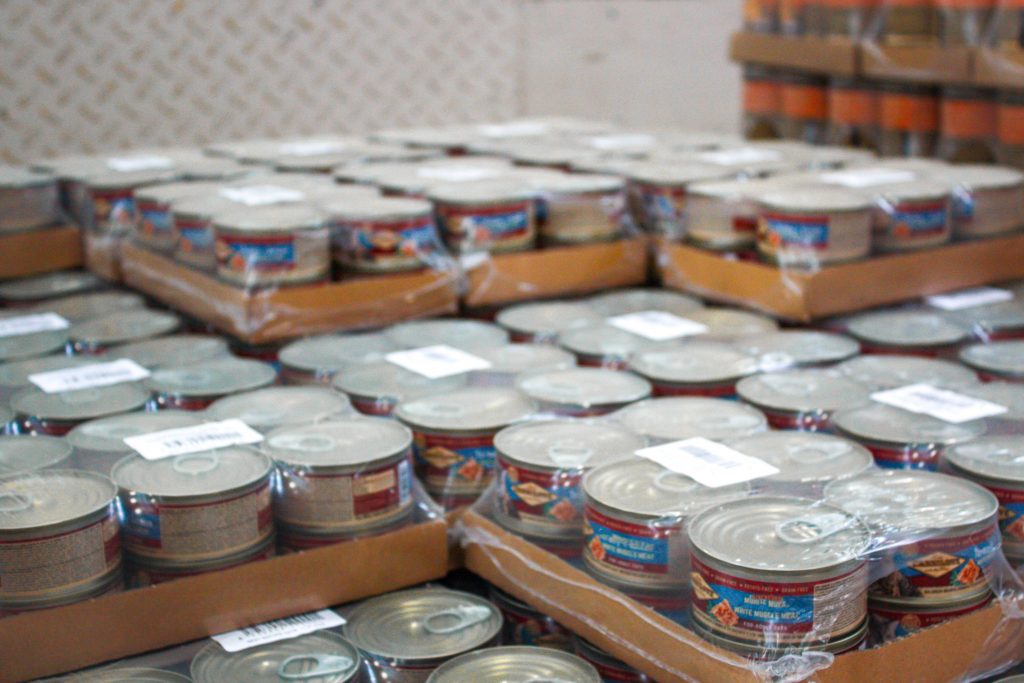
Food logistics relies heavily on precise inventory management, but despite this, many businesses still rely on manual tracking methods. Manual tracking methods leave too much room for mistakes, particularly when it comes to implementing First-In, First-Out (FIFO) or First-Expired, First-Out (FEFO) stock rotation systems. When FIFO and FEFO aren’t followed, products expire before they’ve even left the warehouse, resulting in wasted inventory and missed revenue.
Another major setback can be batch tracking. Without a clear record of expiry dates and batch numbers, businesses risk shipping expired products, leaving you open to product recalls, compliance breaches, and reputational damage.
And let’s not forget the impact on retailer-manufacturer relationships.
Retailers expect fresh, high-quality stock, and poor expiry tracking puts that at risk. When food manufacturers supply expired or nearly expired products, retailers have little choice but to discount them. And if receiving expired products is a recurring issue, future orders may be cut or contracts are lost altogether due to a breakdown in trust.
The fix: Smarter inventory management
The most effective way to prevent these risks is by ensuring your 3PL has an advanced Warehouse Management System (WMS).
A WMS can:
- Automate expiry tracking, generating alerts for soon-to-expire stock.
- Enable barcode scanning & batch control systems to give you real-time inventory visibility.
- Support FIFO & FEFO inventory rotation by ensuring products are used in the correct order.
Be aware that not all 3PL providers deliver the same quality of inventory control. Choose a food warehousing partner that has integrated WMS technology, automated tracking, and batch control capabilities. Your warehousing and fulfilment provider should help you stay compliant and not waste your stock.
Mistake 3: Failing to meet industry compliance standards
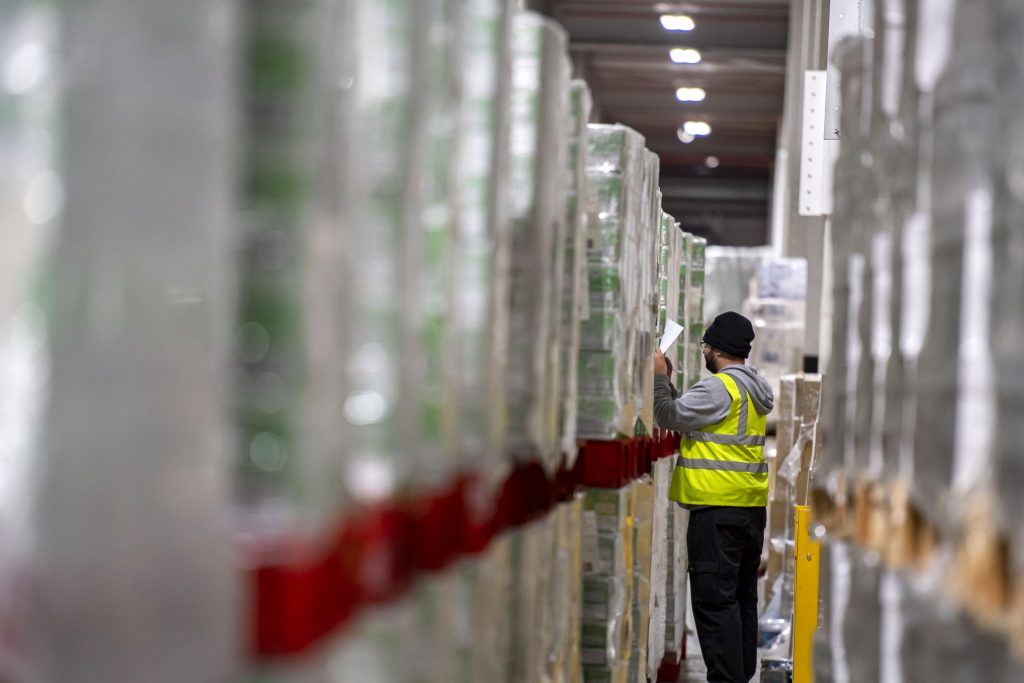
Food warehousing operates under strict regulations, and those regulations change frequently. Many food businesses make the fatal mistake of not staying up to date with UK Food Standards Agency (FSA) guidelines. Food manufacturers who export their products have an additional layer of complexity, as they must navigate changes to EU and global regulations.
Proving that your food business is compliant often relies on maintaining detailed records of hygiene protocols, pest control, and temperature monitoring to pass audits and inspections. And if paperwork of this nature falls below parr, it’s difficult to get back on track.
When food warehousing doesn’t meet regulatory standards, it puts them at risk of losing crucial certifications such as BRC, and various ISOs, which are essential for ensuring food safety, traceability, and quality control.
So, what’s the financial impact of non-compliance?
- Failing audits or inspections can result in big fines and penalties.
- Supermarkets and food service providers require suppliers to meet strict standards and non-compliance can result in delisting.
- Compliance failures can cause contaminated stock, leading to recalls that damage reputation and sales.
The Fix: Compliance-first warehousing
To ensure compliance, businesses should:
- Partner with a BRC AA-certified 3PL that meets strict food safety standards.
- Conduct regular internal audits, maintaining detailed compliance records.
- Enforce stringent hygiene and pest control protocols to mitigate contamination risks.
With a compliance-focused warehousing strategy, businesses can avoid costly penalties, maintain retailer partnerships, and safeguard product integrity.
(To recap) What to look for in a food 3PL provider
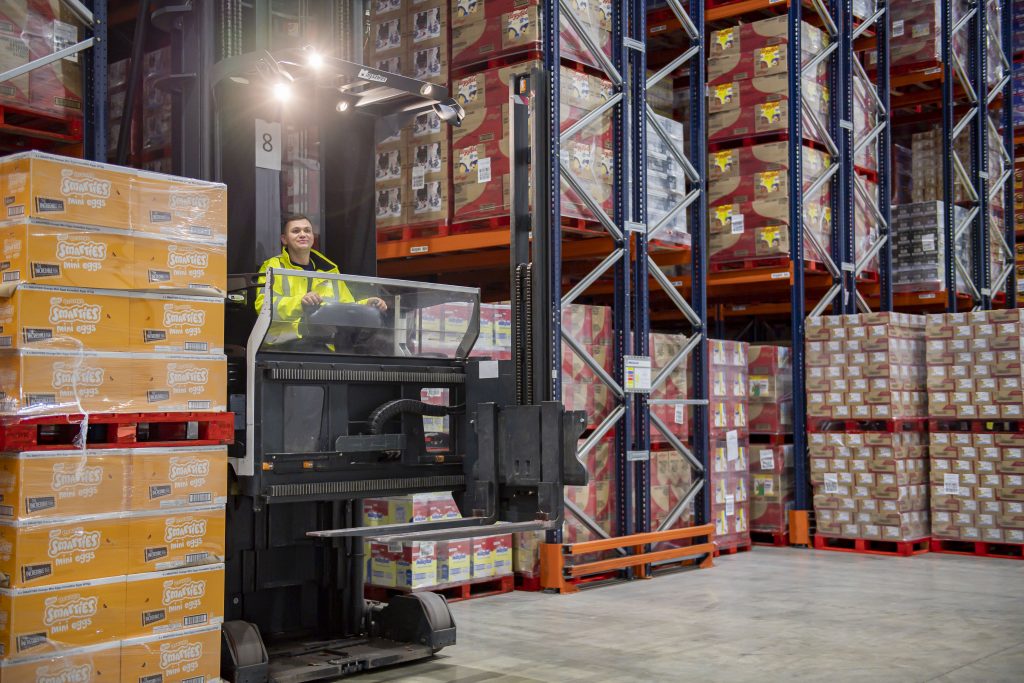
Choosing the right food logistics partner is crucial to avoiding costly warehousing mistakes. If you’re in the process of evaluating potential 3PL providers, ask the following questions:
✅ Do they hold the right food safety certifications? Look for BRC AA, HACCP, and Organic Food Federation approval to ensure compliance. Ask about their most recent audit results, how often they undergo inspections, and what other measures they have to support quality assurance.
✅ Can they meet your storage needs? Check what type of warehousing storage they offer (ambient, chilled, bonded). Does it align with your products’ storage requirements?
✅ How do they track inventory and compliance? Ask how their WMS integrates with your systems and if they have real-time tracking, batch control, automated stock rotation and expiry alerts. Look for audit-ready reporting and barcode scanning capabilities for better traceability
✅ Do they have a strong reputation? Ask for client references, case studies in the food industry, and compliance audit results to verify their track record. Consider their on-time delivery performance and customer service response rates to gauge reliability.
✅ Can they scale with your business? Ask about adjustable storage capacity and if they can quickly scale based on seasonal demand, sudden spikes in orders, and business growth. Look for a provider with flexible warehousing solutions, shared-user options, and robust distribution networks.
Get in touch
Kammac delivers on all of the above, offering certified food warehousing, real-time inventory tracking, and scalable logistics solutions to help your businesses stay compliant and efficient.
Speak to our team today.